


Keeping Websites Fit for Business
Keeping Websites Fit for Business
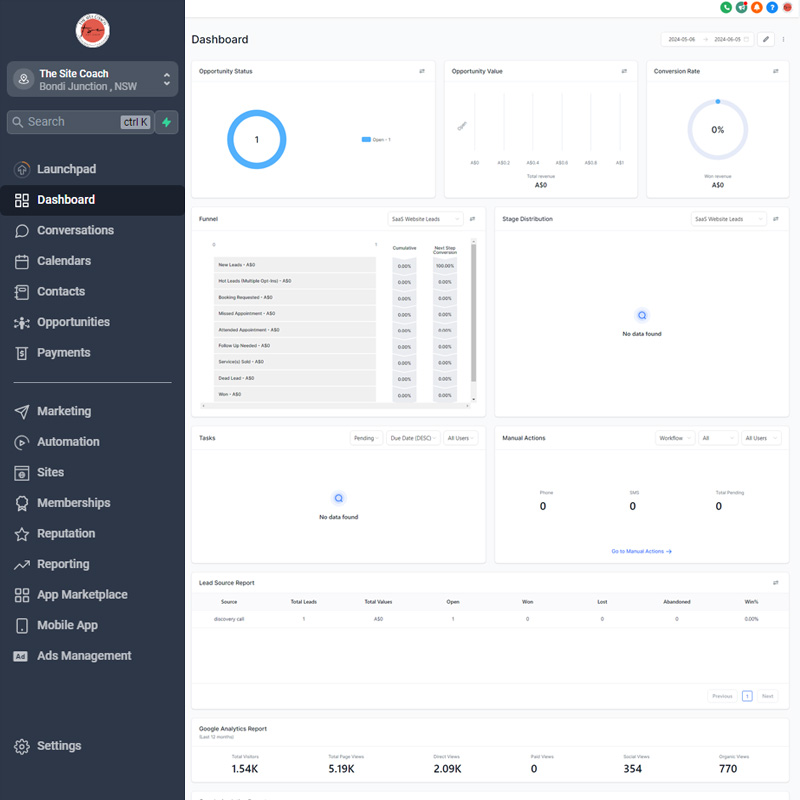
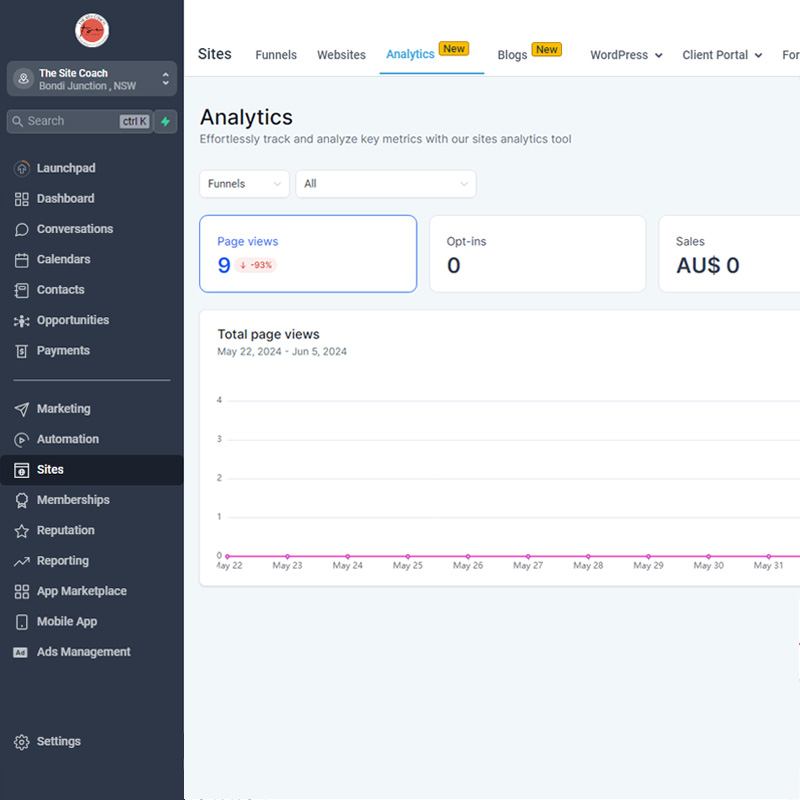
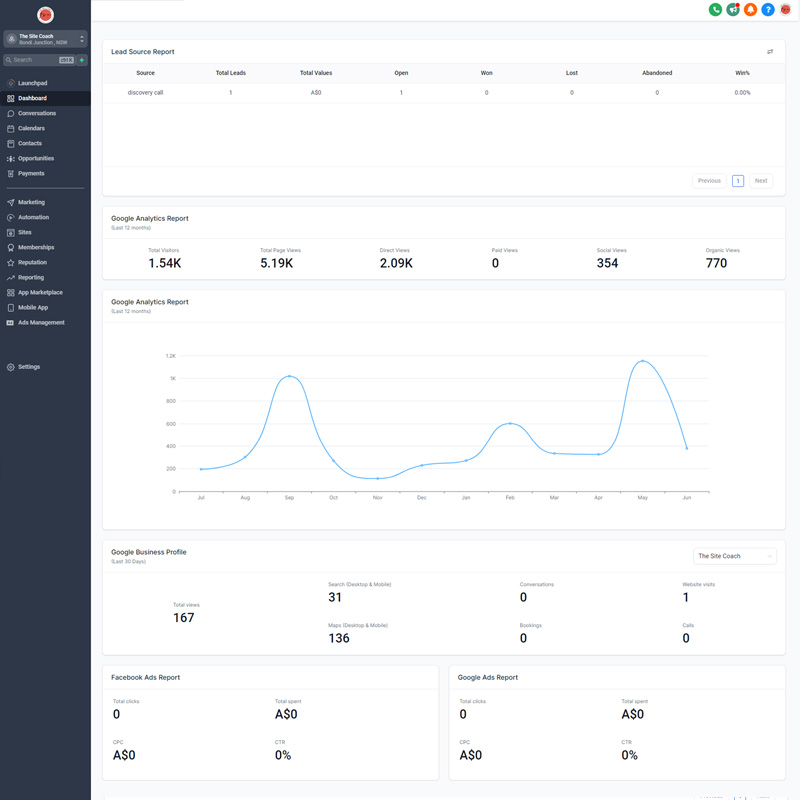
gain access to vital business performance analytics to assess the effectiveness of your web pages and funnels, identifying areas for improvement and optimisation!
Understanding the significance of analytics is crucial. Without it, there is a risk of creating irrelevant offers for untargeted traffic, wasting time and resources. Thankfully, our Analytics provides instant reporting, unveiling what works effectively and what doesn’t, enabling informed decision-making.
Keen on tracking campaign or launch performance? Our advanced analytics offer real-time data, empowering informed decisions for necessary adjustments. With our Analytics, you can also analyse and compare ad and funnel performance over time.
Assist your customers or clients in achieving better course outcomes by using our analytics tool. Track their progress, assess their proficiency, and identify viewed modules and stops, allowing you to motivate them towards completing their learning journey.
Review essential metrics like sales conversion, page views, opt-in rate, open rate, click-through rate, subscriptions, average cart value, etc., to identify areas for enhancing your funnel’s performance. Use this data to refine elements such as headlines, storytelling, or offers for better results.

Success doesn’t have to be lonely. Join our membership to connect with like-minded entrepreneurs, access monthly mentorship, and learn to use powerful marketing tools with out App. Build confidence, grow your business, and feel supported every step of the way.
No obligation
A sales funnel is a multi-step, systematic marketing and sales process that guides potential customers from the initial stage of awareness about a product or service to the point where they make a purchase.
A sales funnel is crucial because it provides a structured approach for converting potential leads into paying customers. It helps in understanding the buying process and tailoring marketing strategies accordingly.
Yes, sales funnels can be adapted for virtually any kind of business, whether it’s product-based, service-based, B2B, or B2C.
A/B testing is the process of comparing two versions of a webpage or funnel to see which one performs better. By making incremental changes and testing them, you can improve conversion rates over time. The good news is our Funnel Builder has A/B testing built right into the platform.

To truly leverage website analytics for business growth, it's crucial to understand the core metrics that provide actionable insights. These metrics go beyond simple page views, delving into user behavior, engagement, and conversion rates. By focusing on key performance indicators (KPIs) such as bounce rate, time on page, conversion rate, and traffic sources, businesses can gain a clear picture of what's working and what needs improvement.
For instance, a high bounce rate on a specific landing page might indicate that the content isn't relevant or engaging to the visitors arriving there, or that the page loads too slowly. Conversely, a low bounce rate and high time on page suggest that users find the content valuable and are actively engaged. Analyzing traffic sources, whether organic search, social media, or paid ads, helps in understanding which channels are most effective in driving qualified leads.
Sales funnels are the backbone of converting interested prospects into paying customers, and website analytics is the key to optimizing this process. By tracking user journeys through each stage of the funnel, from initial awareness to final purchase, businesses can identify bottlenecks and areas of friction that are hindering conversions. This data allows for targeted improvements to specific touchpoints within the funnel.
For example, analytics can reveal where users are dropping off in the checkout process, prompting an investigation into payment options, form complexity, or shipping costs. Similarly, understanding which marketing campaigns are driving the most valuable leads into the top of the funnel allows for better allocation of marketing budgets. This continuous cycle of analysis and optimization ensures that the sales funnel becomes more efficient over time, leading to increased revenue.
Content marketing is a powerful tool for attracting and engaging an audience, but its effectiveness can only be measured through robust analytics. Understanding which pieces of content resonate most with your target audience, how they are being discovered, and what actions they inspire is vital for refining your content strategy. Metrics like page views, shares, comments, and conversion rates tied to specific content pieces provide this essential feedback.
For example, if blog posts about a particular topic consistently generate high engagement and lead to sign-ups for a related webinar, it indicates a strong audience interest in that subject. This insight can then inform the creation of more content around that successful theme. Conversely, content that garners low engagement or fails to drive desired actions might need to be revised, repurposed, or even discontinued, ensuring that resources are focused on content that delivers tangible results.
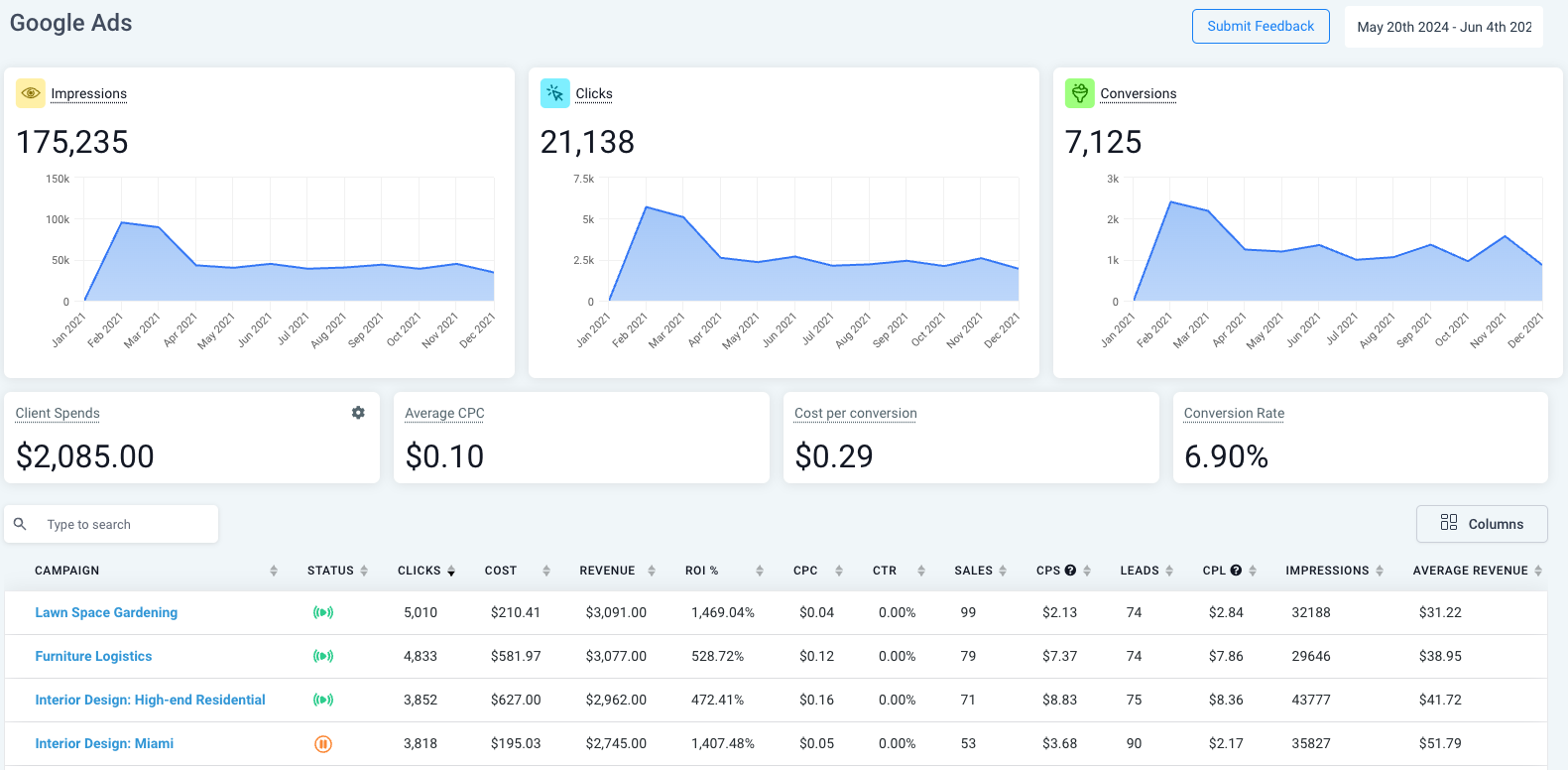
Effective marketing campaigns are not static; they require continuous monitoring and adjustment based on real-time performance data. Website analytics provides the critical insights needed to understand how campaigns are performing across various channels and how they are impacting overall business objectives. Key metrics such as click-through rates, cost per acquisition, return on ad spend, and conversion rates offer a clear picture of campaign effectiveness.
By analyzing this data, marketers can identify which ad creatives, targeting parameters, or messaging strategies are yielding the best results. This allows for the reallocation of budget towards high-performing elements and the optimization or discontinuation of underperforming ones. For instance, if a particular social media ad campaign is driving significant traffic but a low conversion rate, analytics can help pinpoint whether the issue lies with the landing page experience or the targeting of the ad itself, enabling precise adjustments for improved outcomes.