How to Build an Effective Content Calendar: A Complete Guide for Small Business Content Marketing
A content calendar is a crucial step for small businesses that want to sharpen their digital marketing. It’s more than a schedule — it aligns your content with business goals and audience needs. This guide explains what a content calendar is, why it matters, the best ways to use one, and how to make it work for your business. Many owners struggle to stay consistent and relevant, which leads to missed chances and mixed messaging. Follow the strategies here to build a calendar that increases engagement and helps you meet your marketing goals.
We’ll cover why a content calendar matters, best-creation practices, tools and templates that speed the process, and how to align your calendar with SEO for better visibility. You’ll also learn straightforward ways to track performance and the key metrics to watch so you can refine your approach as you grow.
Why Is a Content Calendar Essential for Small Business Marketing?
A content calendar brings organisation and consistency to your messaging. With a clear schedule you can plan ahead, publish timely content that connects with your audience, and keep your marketing coherent. It also makes teamwork easier, streamlines workflows, and boosts productivity. Plus, a calendar helps you align campaigns with events, holidays, or launches to maximise engagement.
Without a content calendar, businesses risk disorganisation, sporadic messaging, and missed opportunities to engage their audience. A well-organised calendar can significantly increase the impact of your marketing campaigns.
What Are the Best Practices for Creating an Effective Content Calendar?
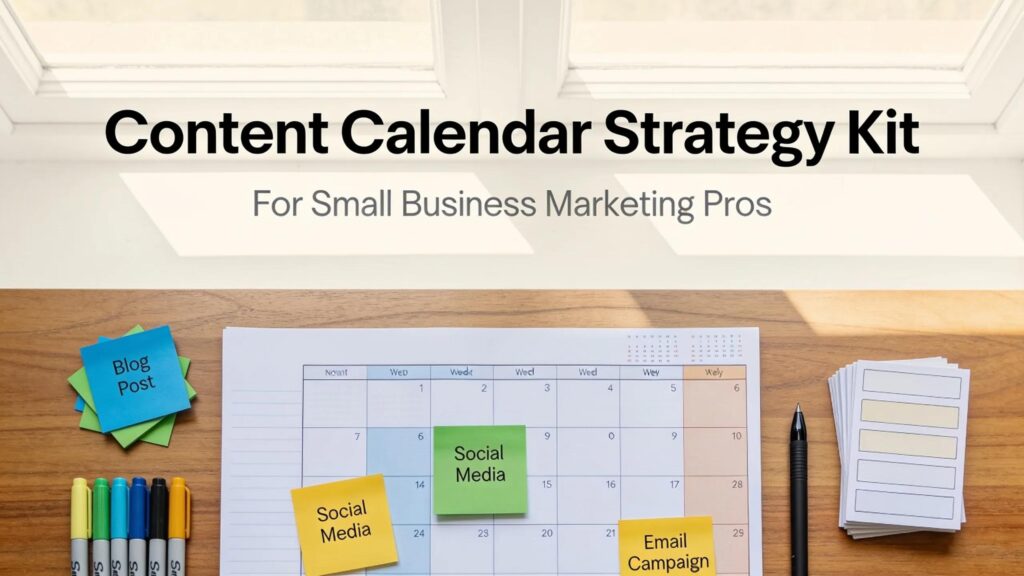
Building an effective content calendar takes planning and a few proven practices. The guidelines below will help you create a calendar that supports your marketing goals without adding unnecessary complexity.
- Define Clear Goals: Establish what you aim to achieve with your content, whether it’s increasing brand awareness, driving sales, or enhancing engagement.
- Choose the Right Tools: Utilize digital tools that offer user-friendly interfaces for easy scheduling and management of content, enabling flexibility and efficiency.
- Review Regularly: Set periodic reviews of your content calendar to adjust and refine strategies based on performance analytics and emerging trends.
These practices create a systematic approach to content creation and distribution while keeping your marketing agile and responsive to change.
If you need extra support, a specialist like The Site Coach can offer tailored guidance on using a content calendar effectively. As SEO and digital marketing experts, they build strategies designed to reach your specific audience.
Which Content Calendar Tools and Templates Are Best for Small Businesses?
Picking the right tools and templates is key to a successful content calendar. Different platforms offer features suited to small business needs; choose one that matches your workflow and team size.
Used well, these tools can boost productivity and make managing your content calendar simpler and more effective.
How to Align Your Content Calendar With SEO Strategies for Better Visibility?

Integrating SEO into your content calendar improves visibility. Key steps include keyword research, on-page optimisation, and tracking results so you can adjust what doesn’t work. For hands-on SEO support, consider the services from The Site Coach.
Start SEO planning at the calendar stage to increase your content’s reach and drive more organic traffic to your site.
How Can You Monitor and Measure Content Calendar Success Effectively?
Measuring your content calendar’s success means tracking clear metrics over time. The methods below will help you see what’s working and where to improve.
- Website Traffic: Analyze the number of visitors to your blog or website, using tools like Google Analytics to understand audience behavior.
- Engagement Metrics: Look at social shares, comments, and likes to determine how well your content resonates with audiences.
- Conversion Rates: Track how content influences your sales or lead generation, as this ultimately reflects the success of your marketing efforts.
Regularly measuring these indicators lets small businesses refine their strategy and increase the impact of future content.
Which Key Performance Indicators Indicate Content Calendar Effectiveness?
To assess your calendar’s effectiveness, focus on a few core KPIs that link directly to your goals.
- Traffic Changes: Monitor fluctuations in traffic to determine the impact of your content on audience engagement.
- Engagement Rates: Assess the level of engagement your content receives, reflecting its relevance and appeal to your audience.
- Lead Generation: Evaluate how content contributes to lead capture and ultimately sales conversions.
Knowing these KPIs helps you make informed decisions about future content, keeping your efforts aligned with business objectives.
How to Use Analytics Tools to Track and Refine Your Content Calendar Strategy?
Analytics tools are essential for improving your content strategy. Use them to define goals, monitor performance, and spot trends that guide smarter decisions.
- Set Clear Goals: Clearly define what you aim to track, whether it’s website traffic, conversion rates, or audience engagement levels.
- Track Key Metrics: Utilize analytics tools to monitor performance across different content pieces, gathering data on what performs best.
- Create Regular Reports: Evaluate data regularly through reports to assess whether your content is meeting its objectives and where adjustments are necessary.
With consistent tracking and regular reports, you can refine content priorities and improve results over time.
What Are Examples and Templates That Can Help Build Your Content Calendar?
Using templates and examples speeds up setup and gives you a ready framework to follow. They help standardise planning and make it easier to keep publishing on schedule.
- Social Media Content Calendar Template: This allows for the scheduling of posts across various platforms, ensuring consistent brand messaging.
- Blog Content Calendar Template: Designed to organize blog posts by topic, due date, and promotional efforts.
- Email Marketing Calendar: Helps plan and track email campaigns, aligning them with broader content initiatives.
Templates can fast-track your planning so you can launch a working calendar quickly. For further guidance on digital marketing strategy and how it can help your business, consider consulting professionals like The Site Coach.